
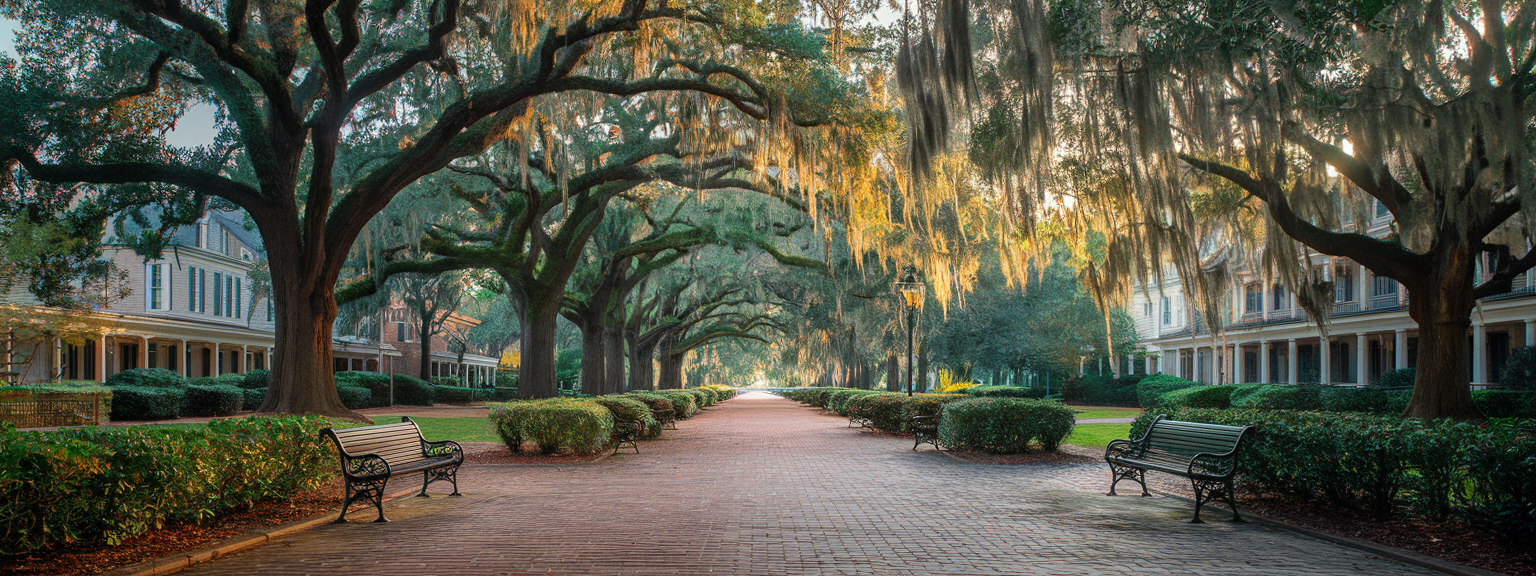
![[Travel Photography Tips: 18 Best Practices to Shoot Amazing Travel Photos]](https://roamwriters.com/wp-content/uploads/2025/12/travel-photography-tips-golden-hour-coastal-shot.png "[Travel Photography Tips Golden Hour Shot]")
Travel Photography Tips: 18 Best Practices to Shoot Amazing Travel Photos
📍Must-See Attractions (travel photography tips)
Why these locations work every time
Certain places reliably produce strong images because they combine light, scale, and human context. This section highlights types of locations that help you practice composition techniques and capture evocative travel photography tips whether you’re shooting with a mirrorless camera, a compact, or a smartphone.
Top spot ideas with image suggestions
-
Panoramic viewpoints and city overlooks — Long vistas and skylines at dawn or dusk give you dramatic light and clean horizons. Image idea: skyline at golden hour. Alt text: “City skyline at sunset from hilltop viewpoint.”
-
Historic architecture and narrow streets — Great for leading lines, textures, and framing. Image idea: cobbled alley with light streaks. Alt text: “Sunlight on cobblestone alley framed by ornate windows.”
-
Local markets and bazaars — Candid portraits and detail shots of goods create storytelling photos full of color. Image idea: spice stall close-up. Alt text: “Close-up of colorful spices at a busy marketplace.”
-
Coastlines, rivers, and waterfronts — Reflections and long exposures smooth water and add mood. Image idea: smooth-water long exposure at sunrise. Alt text: “Long exposure of calm harbor at sunrise.”
-
Festivals, parades, and street performances — Dynamic action and emotion are ideal for travel photo tips focused on people and movement. Image idea: performer mid-leap during local festival. Alt text: “Street performer captured mid-air at a colorful festival.”
-
Rural landscapes and farmland — Layered compositions, textures, and repeating patterns photograph beautifully in soft light. Image idea: terraced fields at golden hour. Alt text: “Terraced rice fields glowing in evening light.”
-
Night scenes and illuminated monuments — Atmosphere, silhouette shots, and color contrasts make for memorable travel camera tips after dark. Image idea: illuminated temple at night. Alt text: “Temple glowing against a navy night sky.”
🎭 Local Culture & Experiences
Respectful approaches to photographing people and customs
Connecting emotionally with your subjects starts with listening and observing. Learn a few local phrases, watch body language, and always ask permission for portraits—sometimes a small purchase or a conversation opens the door to more authentic images.
What to capture and how
-
Festivals: Position yourself where action is predictable (entrances, floats) and anticipate peaks—use burst mode for decisive moments and a mid-range zoom to compress the scene.
-
Food: Overhead flat-lays for finished dishes, close-up details of texture, and candid shots of chefs while preparing—use natural window light when possible and a shallow depth of field for mouth-watering focus.
-
Music & dance: Choose slow shutter speeds (1/30–1/60s) to imply motion or fast shutters (1/250s+) to freeze expressions—ISO and aperture will depend on venue lighting.
-
Customs & rituals: Environmental portraits that include background context tell the whole story—frame subjects within their surroundings to show scale and meaning.
Anecdotes & local portrait tip
“At the night market in Chiang Mai I waited 20 minutes for a vendor to shape the perfect noodle pour—timing made the shot.”
“The best portrait was taken after I bought her a coffee and listened for five minutes.” — local portrait tip
🔑 Hidden Gems & Insider Tips (travel photography tips)
Finding places only locals know
Hidden gems are often one or two blocks off the main tourist routes: a sunrise pier with few visitors, a rooftop café that opens at dawn, or a residential lane with colorful doors. Use satellite maps, local Facebook groups, and recent Instagram tags to discover less-photographed angles.
Practical insider shooting tactics
-
Scout and arrive early: Get to a location 30–60 minutes before prime light to set composition and test exposures—this is a core travel photography guide habit.
-
Use reflections and foregrounds: Puddles, windows, or foliage create depth and unique frames that lift ordinary scenes into compelling travel photo tips.
-
Blend in: Dress like locals and carry a smaller camera body to avoid drawing attention—this helps with candid portraits and street work.
-
Offer a return gesture: A printed photo, a phone preview, or a small token builds trust when you ask to photograph someone.
-
Permissions & permits: Research ahead—some monuments and interior sites require a photography permit or set fees.
Quick tech hacks
-
Burst + RAW: For unpredictable action, shoot in burst while recording RAW frames to maximize recovery in post.
-
Limit decision fatigue: Keep one lens for street/portraits and one for landscapes—this speeds up choices and helps you stay in the moment.
-
Use local intel: Ask café owners or shopkeepers for the best viewing spots—they often point to angles tourists miss.
🗓️ Sample Itinerary or Day Plan
One-day photography plan (sample city)
This sample day balances light, downtime, and opportunities to practice composition techniques and camera settings for travel. Estimated costs are approximate and vary by city.
Schedule & shooting goals
-
04:30–06:00 — Sunrise at hilltop viewpoint (transport: taxi/Uber ~$6–$12; entry: free or $2–$5). Shots: panoramic, golden-hour portraits. Suggested gear: wide-angle + tripod. Settings: low ISO, f/8–f/11 for landscapes; open aperture for portraits against the skyline.
-
07:00–09:00 — Breakfast market and street scenes (walkable; small purchases $5–$10). Shots: candid vendors, food prep. Settings: 1/200–1/500s for people, f/2.8–f/5.6 for subject separation.
-
10:00–12:00 — Museum or temple interior (public transport ~$1–$3; entry $5–$15). Shots: details, architecture; use higher ISO and tripod or stabilized lenses for low light.
-
12:30–14:00 — Lunch + backup/charge time (cost ~$10–$20). Offload photos to a portable SSD or cloud, swap batteries, and review shots to refine the afternoon plan.
-
15:00–17:00 — Hidden neighborhood + portrait session (taxi ~$5). Shots: environmental portraits, texture details. Use a 35–85mm focal length for comfortable subject distance.
-
17:30–19:30 — Golden hour at waterfront (walk or short ride). Shots: silhouettes, long exposures (ND filter if needed). Bracket exposures to capture highlight detail.
-
20:00–22:00 — Night market and long-exposure cityscape (public transit/taxi). Shots: motion blur, low-light portraits. Carry a lightweight tripod and use manual mode for starbursts and controlled exposures. Estimated day cost total: $40–$80.
Weekend alternative
For a two-day trip split the work: day one for landscapes and architecture (plan for sun positions and long exposures), day two for culture, portraits, and night shots—this reduces rush and increases creative variety.
💡 Travel Tips Specific to the Destination (travel photography tips)
Essential gear checklist
- Essentials: camera body, two lenses (wide and 35–85mm prime/zoom), 2–3 spare batteries, multiple memory cards, lightweight tripod, polarizer, ND filter, microfiber cloth, small shoulder bag or sling.
- Optional: flash or portable LED, remote shutter, rain cover, portable SSD or travel backup device.
Camera settings for common travel situations
- Landscapes: Low ISO, f/8–f/11, tripod, use aperture priority or manual—expose for midtones and bracket highlights in high dynamic range scenes.
- Street & portraits: ISO as low as you can maintain, shutter 1/200–1/1000s for movement, f/2.8–f/5.6 for subject isolation.
- Golden hour: Shoot RAW, bracket exposures, white balance auto or cloudy to retain warm tones.
- Night & long exposure: Manual mode, low ISO (or native base), tripod, expose for highlights; use long exposure noise reduction if needed.
Composition and storytelling techniques
Use rule of thirds, leading lines, frames within frames, foreground interest, and negative space. For storytelling photos, pair environmental context with candid expression and think in sequences—establishing, action, and detail—to show beginning, middle, and end.
Packing & safety tips
- Distribute gear: Spread equipment between carry-on and day bag; use padded inserts and a small lock on checked luggage.
- Security: Use anti-theft straps, keep gear close, avoid obvious expensive setups in high-risk areas, and insure equipment.
- Backups: Offload daily to cloud or portable SSD and carry an extra memory card in a separate pocket.
- Legal & health: Check local drone rules, photography restrictions in government or religious sites, and carry travel insurance for health and gear.
Tip or Trick
Golden hour is not one fixed moment—plan for the full window (30–60 minutes) and move positions to capture front-lit, backlit, and silhouette options. Use reflectors or fill flash for portraits to balance bright backgrounds.
Bringing It All Together
With planning—knowing where to go, what to pack, how to compose, and how to behave—you’ll return with travel photos that not only look great but feel like the places you visited. Use the one-day itinerary and the gear checklist as a repeatable workflow for each trip.
Final engagement question
What hidden spots have you discovered while traveling that made for unforgettable photos?Share a location tip or a single photo link in the comments and tell us why it worked.
![[Traveler comparing policies on a tablet showing smart travel insurance options]](https://roamwriters.com/wp-content/uploads/2025/12/smart-travel-insurance-guide-comparison.png "[traveler-smart-travel-insurance-comparison]")
![[Traveler organizing a suitcase using packing tips with packing cubes and travel essentials visible]](https://roamwriters.com/wp-content/uploads/2025/12/packing-tips-travel-essentials-guide.png "[Packing Tips And Travel Essentials Visual]")
![[Traveler reviewing travel safety checklist at an airport terminal]](https://roamwriters.com/wp-content/uploads/2025/12/travel-safety-checklist-airport.png "[travel-safety-checklist]")