
H2: Title
– Overcoming Jet Lag: 12 Expert Tips to Reset Your Body Fast
H3: Subheading (emotional hook)
– Arrive energized, sleep like you’re home, and reclaim your first day — simple, science-backed strategies to beat travel fatigue fast.
1. Introduction (100–150 words)
– Brief overview: Define jet lag and why it happens (circadian rhythm disruption) and acknowledge common symptoms: tiredness, insomnia, poor concentration, digestive upset. Note that anyone crossing multiple time zones can be affected and that severity depends on direction of travel, number of zones crossed, and personal sleep schedule.
– Address reader pain point: Promise relief for travelers who dread wasting the first days of a trip feeling groggy or losing productivity after business travel.
– End with promise: Tell the reader they’ll learn 12 practical, expert-backed jet lag remedies and a fast-reset plan — including when to use light therapy, melatonin, meal timing, sleep scheduling, and a sample arrival-day itinerary.
2. Main Body Sections (H3 for SEO)
H3: A. Must-Try Jet Lag Remedies (📍)
– Present as a bulleted list of the top remedies with short descriptions and when to use each:
– Strategic light exposure (daytime bright light, avoid evening light) — use to shift circadian rhythm.
– Melatonin (low-dose timing guidance) — brief notes on timing and safety.
– Gradual sleep schedule shift pre-trip — how many days to adjust per time zone.
– Controlled naps on arrival (length & timing) — 20–90 minutes guidance.
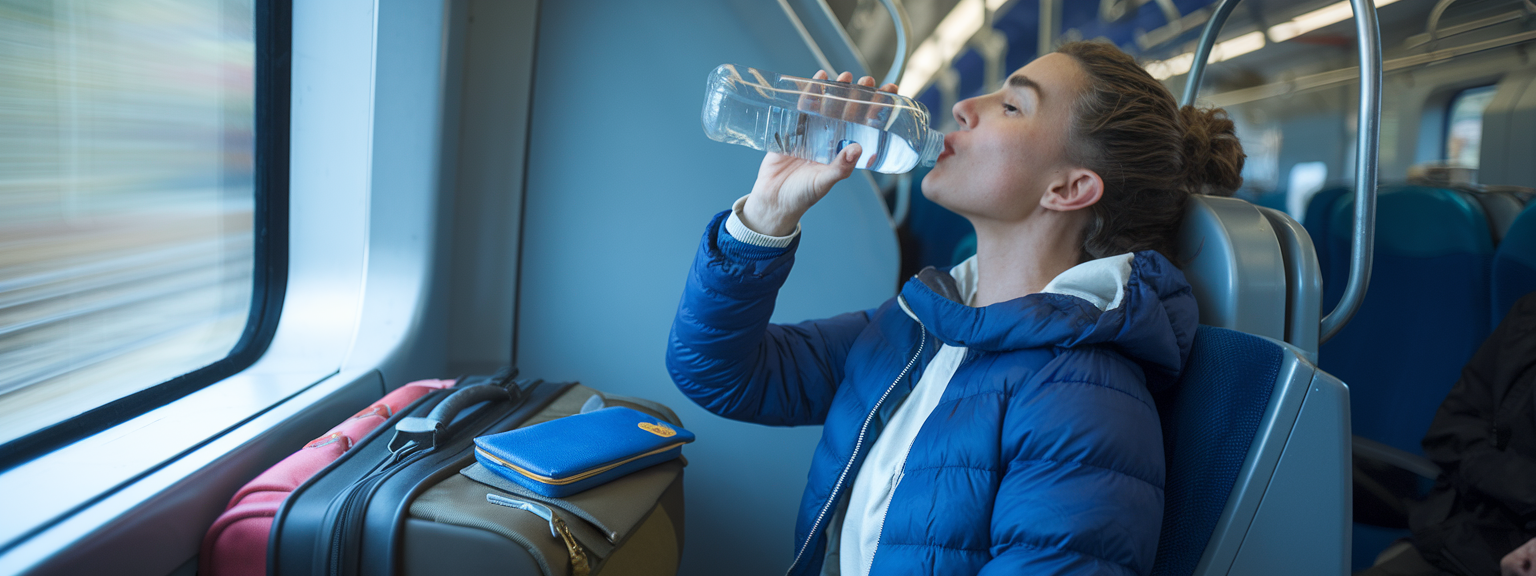
– Hydration and caffeine management — what to drink, when to avoid caffeine before sleep.
– Meal timing and light meals to anchor body clock.
– Physical activity and outdoor exposure — best times for gentle exercise.
– Sleep environment optimization (earplugs, eye mask, white noise).
– Images to include: photos or illustrations for each remedy (e.g., sunlight, melatonin bottle, someone napping, healthy meal).
– Example alt text: “Traveler getting morning sunlight to reset circadian rhythm,” “Low-dose melatonin tablets on a bedside table.”
H3: B. Circadian Rhythm & Lifestyle Factors (🎭)
– Explain how circadian rhythm works and why it matters for sleep schedule and jet lag.
– Discuss cultural and lifestyle influences that affect recovery (meal schedules, local light exposure, social obligations).
– Include short anecdotes/quotes for authenticity:
– Travel nurse: “I always take a short walk in daylight after landing — it resets me faster than anything.”
– Business traveler: “Melatonin saved my presentation day, but timing was everything.”
– Quick table-style bullets: eastward vs westward travel differences (east = harder to advance clock; west = easier to delay).
H3: C. Hidden Gems & Insider Tips (🔑)
– Lesser-known tactics with concise how-to:
– Using timed dawn-simulating alarms for wake-up on arrival days.
– Phototherapy lamps for early-morning light when natural light isn’t available (hotel room use).
– Portable sleep-tracking + smart alarm to wake at lightest sleep stage at local morning.
– Micro-dosing caffeine strategically (match to circadian dips) rather than avoiding entirely.
– “Anchor meals” method: eating at local meal times immediately to help shift the body clock.
– Combining short exercise bursts with light exposure for a stronger phase-shift.
– Quick safety/contraindication note for melatonin and light therapy (consult doctor if pregnant, on meds, or with eye conditions).
H3: D. Sample Itinerary / Day Plan to Reset Fast (🗓️)
– Multiple templates depending on arrival time and direction:
– Option 1 — Early-morning arrival (eastward):
– 07:00 — Get 30–60 minutes outdoor bright light + brisk walk (transport: taxi/Uber or public transit; cost estimate: $15–$50).
– 09:00 — Light breakfast at local mealtime (avoid heavy carbs).
– 13:00 — Short nap 20–30 minutes if needed (use eye mask; no caffeine within 6 hrs of intended sleep).
– 17:00 — Mild exercise/outdoor activity to reinforce phase.
– 21:00 — Take 0.5–1 mg melatonin 30–60 minutes before target bedtime if having trouble sleeping.
– Option 2 — Evening arrival (westward):
– 18:00 — Stay active and get outdoor light until dusk; have dinner at local time.
– 22:00 — Create dark, cool sleep environment and aim for bedtime; use earplugs/eye mask.
– Short-trip plan (2–3 days): keep schedule close to home time vs adopt destination time — when to choose each based on trip length.
– Include: transport options (car, rideshare, public transit) and rough costs (local currency examples), and time-specific notes for light, food, and melatonin.
– Include a printable/checklist version suggestion (what to pack in a carry-on: eye mask, earplugs, melatonin, light therapy lamp alternative, travel pillow).
H3: E. Travel Tips Specific to Direction & Duration (💡)
– Packing suggestions:
– Essentials: low-dose melatonin, eye mask, earplugs, refillable water bottle, travel-size blackout curtain or sleep hood, mobile light-therapy device or bright-screen app.
– Direction-specific advice:
– Eastbound travel (harder): shift schedule earlier several days before, use morning light and evening melatonin.
– Westbound travel (easier): stay up later, use evening light exposure, less melatonin typically needed.
– Short trip vs long trip guidance: for trips <3 days, consider staying on home schedule; for trips ≥4 days, shift to destination schedule.
- Best times to try resetting: arrival morning is ideal; avoid trying big shifts right before important meetings.
- Safety notes and etiquette:
- Melatonin and medication precautions; consult healthcare provider if on prescriptions.
- Respect local customs: avoid bright phone light near others at night; be mindful of noise when napping in public.
- If using light therapy in public/hotels, be considerate of roommates or shared spaces.
3. Conclusion
- Summarize: Reinforce that overcoming jet lag combines timing, light, sleep hygiene, and small behavioral changes — most travelers can significantly reduce travel fatigue by applying 2–3 targeted strategies from the list.
- Invite action: Encourage the reader to pick one plan (e.g., sample itinerary) to try on their next trip and note expected results within 24–48 hours.
- Closing question to prompt engagement: What jet lag remedy has helped you most — melatonin, morning light, or a strict sleep schedule?
4. Call to Action (CTA)
- Encourage comments and social shares: Ask readers to share their best jet lag tips and this post with fellow travelers.
- Suggest subscribing: Invite them to subscribe to the newsletter for more insider travel health tips, printable jet-lag checklists, and a downloadable 48-hour reset plan.
SEO & keyword guidance (for the writer)
- Primary keyword: Overcoming Jet Lag — use in title, intro first paragraph, one subheading, and conclusion.
- Secondary keywords to sprinkle naturally: jet lag remedies, jet lag tips.
- LSI keywords to include across body: circadian rhythm, sleep schedule, light therapy, melatonin, travel fatigue.
- Meta description suggestion (max 160 chars): “Overcoming jet lag fast: 12 expert tips — light therapy, melatonin timing, sample day plans and insider tricks to beat travel fatigue.”
![[Traveler packing a small backpack to travel light with neatly organized essentials.]](https://roamwriters.com/wp-content/uploads/2025/11/travel-light-packing-minimalist-setup.png "[Travel Light Packing Setup]")
![[Vibrant Wellington markets stalls with fresh produce and the harbor in the background]](https://roamwriters.com/wp-content/uploads/2025/11/wellington-markets-harbor-views-stalls.png "[Wellington Markets Harbor View]")
![[Visitors watching Uluru sunrise with warm red glow on the rock]](https://roamwriters.com/wp-content/uploads/2025/11/uluru-sunrise-viewers-red-glow.png "[Uluru Sunrise View]")